
Go High Level vs a custom CRM which should UK SMEs choose
The short answer for most UK SMEs
If you’re launching under time pressure and watching your cash flow, Go High Level usually beats a custom CRM build in the early days. It’s ready now, it bundles the tools you’d otherwise buy separately, and it costs a fixed monthly fee instead of a large upfront spend. A custom CRM makes sense later, when your process is proven and an off-the-shelf tool starts fighting the way you actually work. That’s the real GoHighLevel vs custom CRM decision, and most owners get it backwards.
This came up in a recent conversation with a professional services client. They were about to launch, needed to send mass email, wanted everything to talk to each other, and had a fixed budget and a ticking clock. The temptation was to commission something built from scratch. The smarter move, for where they were, was different.
Name the real problem first
The problem isn’t “which CRM is best”. No CRM is best in the abstract. The problem is that you’re trying to make a big, hard-to-reverse decision at the exact moment you have the least information about how your business will actually run day to day.
When you’re pre-launch or newly launched, you don’t yet know your true sales stages, which automations you’ll rely on, or where the manual work will pile up. Committing to a custom build now means guessing, then paying to rebuild when the guess is wrong.

What each option really costs you
Go High Level
Go High Level is an all-in-one platform. CRM, pipelines, email and SMS, landing pages, forms, booking and automation sit in one place on a monthly subscription. For a business launching now, that’s the appeal. You get mass email and marketing tools without stitching five apps together, and you can be live in days, not months.
The trade-offs are real. You work the way the platform works. Deep, unusual integrations with niche software can be awkward. And you’re renting, so the cost never stops, though for early-stage cash flow a predictable monthly fee is often easier to carry than a lump sum.
A custom CRM
A custom CRM does exactly what you want, integrates with exactly what you use, and belongs to you. That’s powerful once you know precisely what you need. Before then it’s expensive guesswork. You pay upfront, you wait while it’s built, and you carry the ongoing cost of maintaining it. If your process changes after launch, and it will, you pay again to change the software.
For a business under time and cash flow pressure, that combination of high upfront cost, build time and rework risk is the thing that hurts.
The honest way to choose
Start with three questions.
How soon do you need to be live? If the answer is weeks, an off-the-shelf platform wins. Custom builds take time you don’t have.
How well do you understand your own process? If you can’t yet write down your sales stages and your key automations, you’re not ready to have them built into custom software. Run the real thing first.
What actually needs to integrate? List the tools that must connect. If it’s mainstream software, most platforms handle it or a connector like n8n bridges the gap. If it’s something rare and business-critical, that’s a point in favour of custom, but only that point.
My general advice, after 19 years running my own businesses, is to prove the process on a flexible platform, then build custom only where the platform genuinely holds you back. You’ll know exactly what to build because you’ll have lived the friction.
Swann Virassamy at Cromebloc put the value of getting this sequence right well. “Luke is a problem-solver. He rebuilt our onboarding and suggested optimisations we had not considered. It streamlined our client onboarding and saved us a huge amount of manual work.” That kind of improvement comes from understanding the real process first, then choosing the right tool for it.
What to do tomorrow
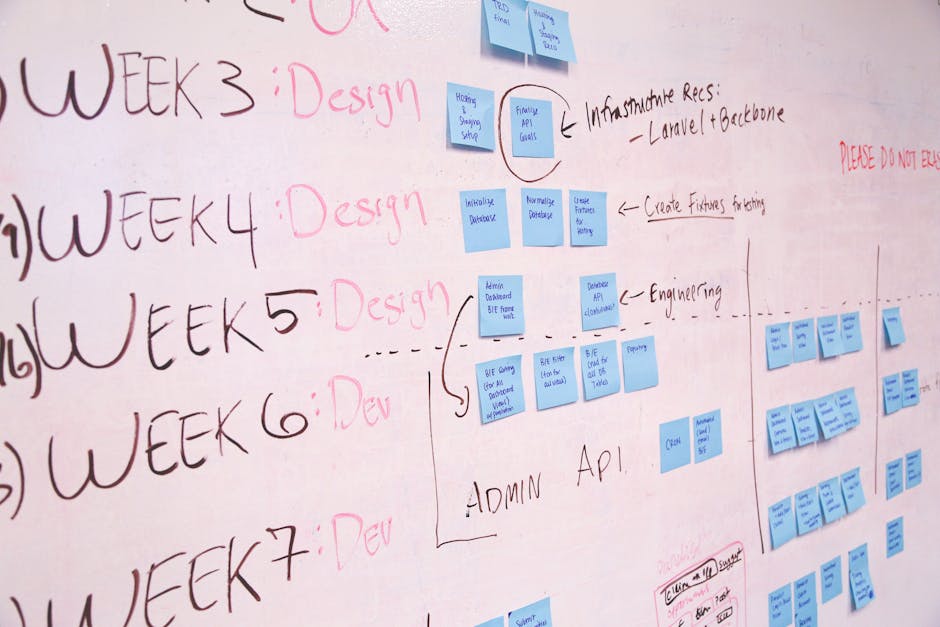
Don’t sign anything yet. Spend an hour mapping your actual workflow from first enquiry to paid customer. Write down every stage, every email you’ll send and every tool that must connect. Then check whether an all-in-one platform covers 90 percent of it. If it does, start there and get live. Keep the custom build as a future decision, made with real data, not launch-day nerves.
If you want help mapping this properly and understanding how CRM and automation fit your business, join our next AI workshop. 07 Heaven Systems runs sessions built for SME owners making exactly these calls. For deeper reading on picking software that fits your process, the ICO guidance for organisations is also worth a look on the data side, since any CRM you choose has to keep customer data compliant.
Common questions
Is Go High Level good for a small UK business just starting out?
Yes, for most. It bundles CRM, email, SMS, booking and automation into one monthly subscription, so you can launch quickly without buying and connecting several tools. The main caveat is that you work the way the platform works, so map your process first and check it fits before you commit.
When does a custom CRM make more sense than an off-the-shelf platform?
When your process is proven and stable, when you have unusual integrations that mainstream platforms can’t handle, and when the cost of the platform limiting you outweighs the upfront cost of building your own. That’s usually a decision for an established business, not a brand-new one still working out how it operates.
What should I check before choosing any CRM?
Map your full workflow from enquiry to paying customer, list the tools that must integrate, decide how fast you need to be live, and confirm the platform handles data compliance. If an off-the-shelf tool covers most of it, start there. Build custom only where a platform genuinely holds you back.
Rather have it built for you? See what an AI automation agency actually does and how we build and run these systems for UK businesses.


Ready to put this into practice?
Book a free discovery call and we will show you exactly what is possible for your business. No obligation.
4.8 ★★★★★ from 35 Google reviews by business owners like you.